
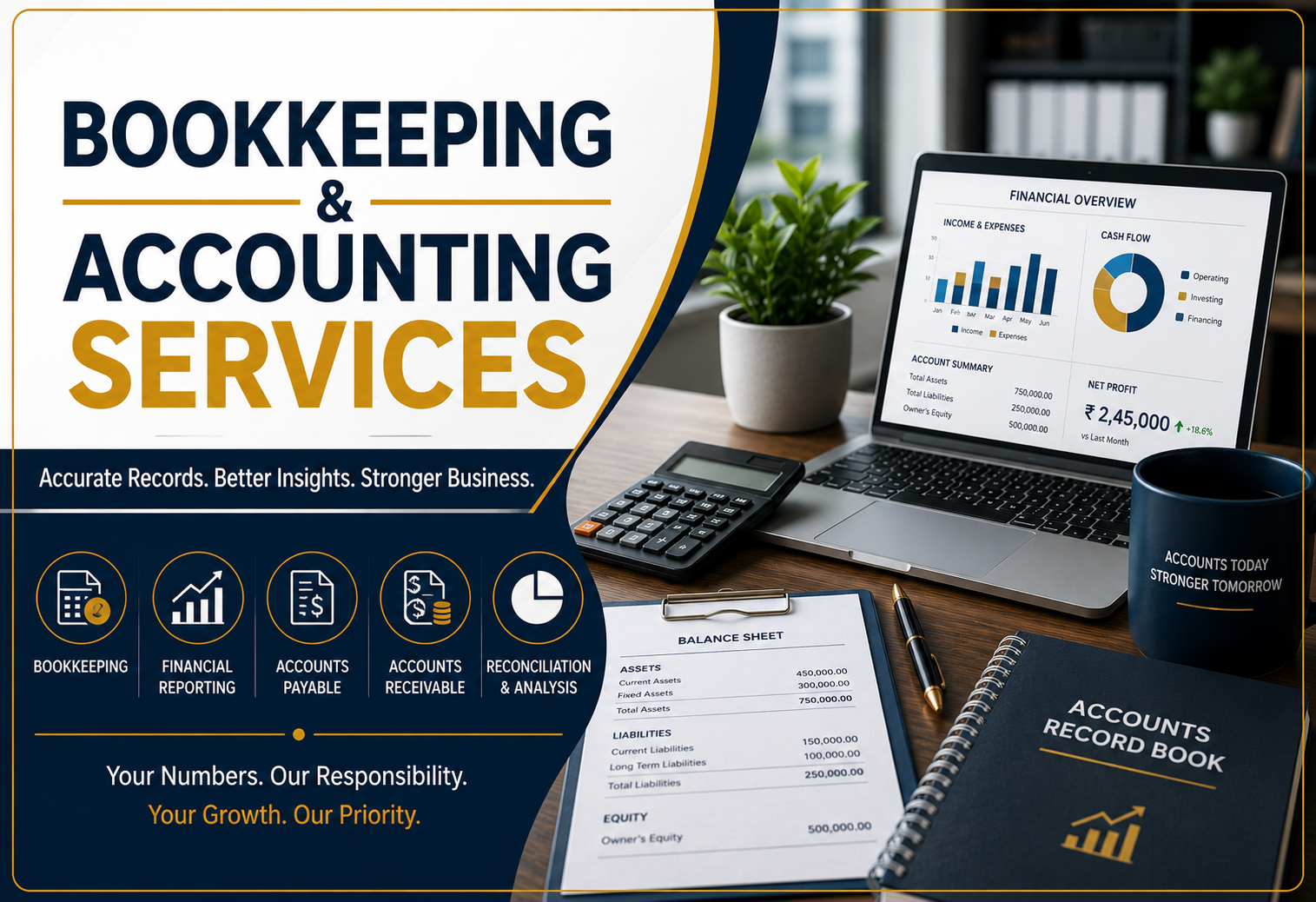

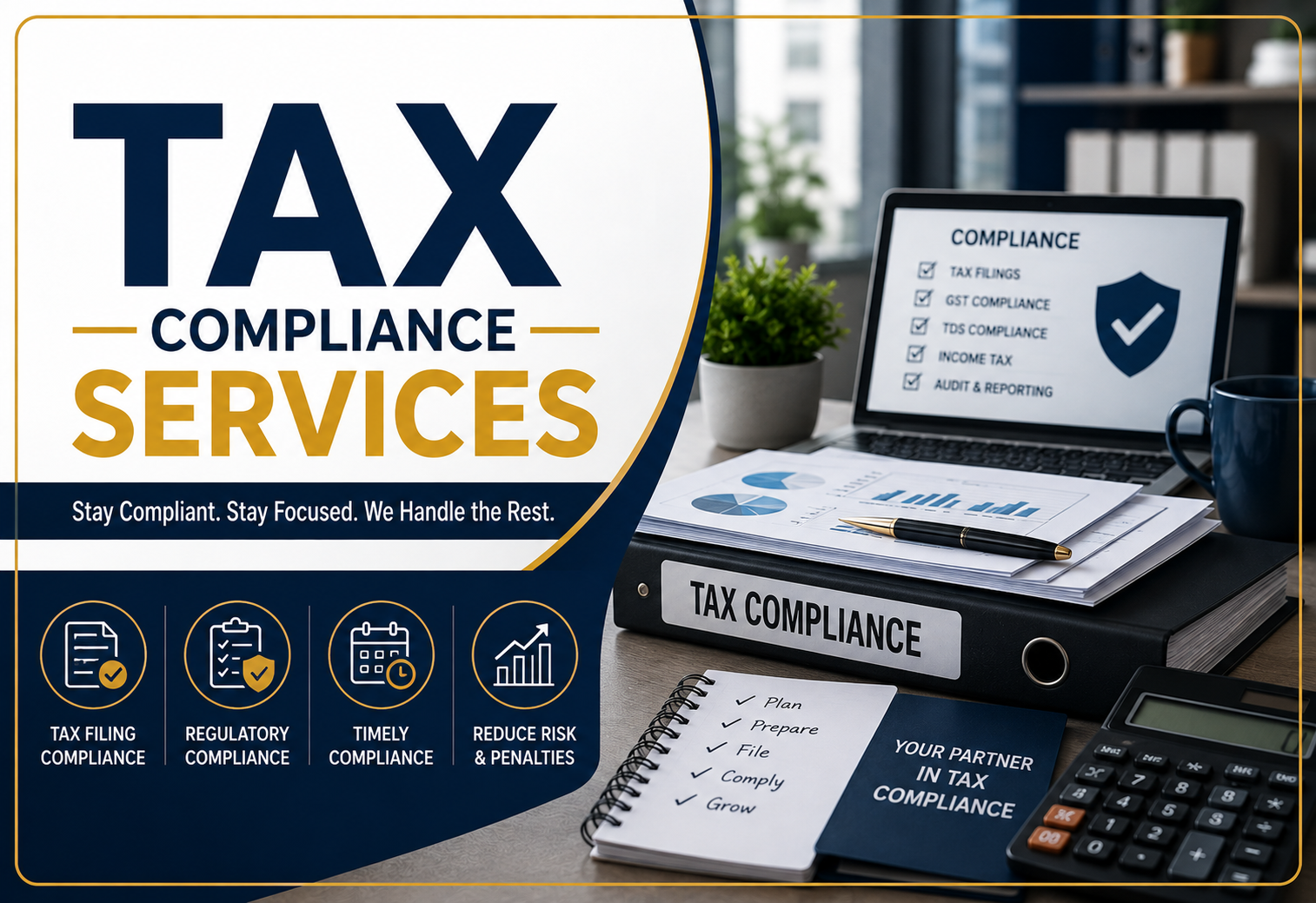
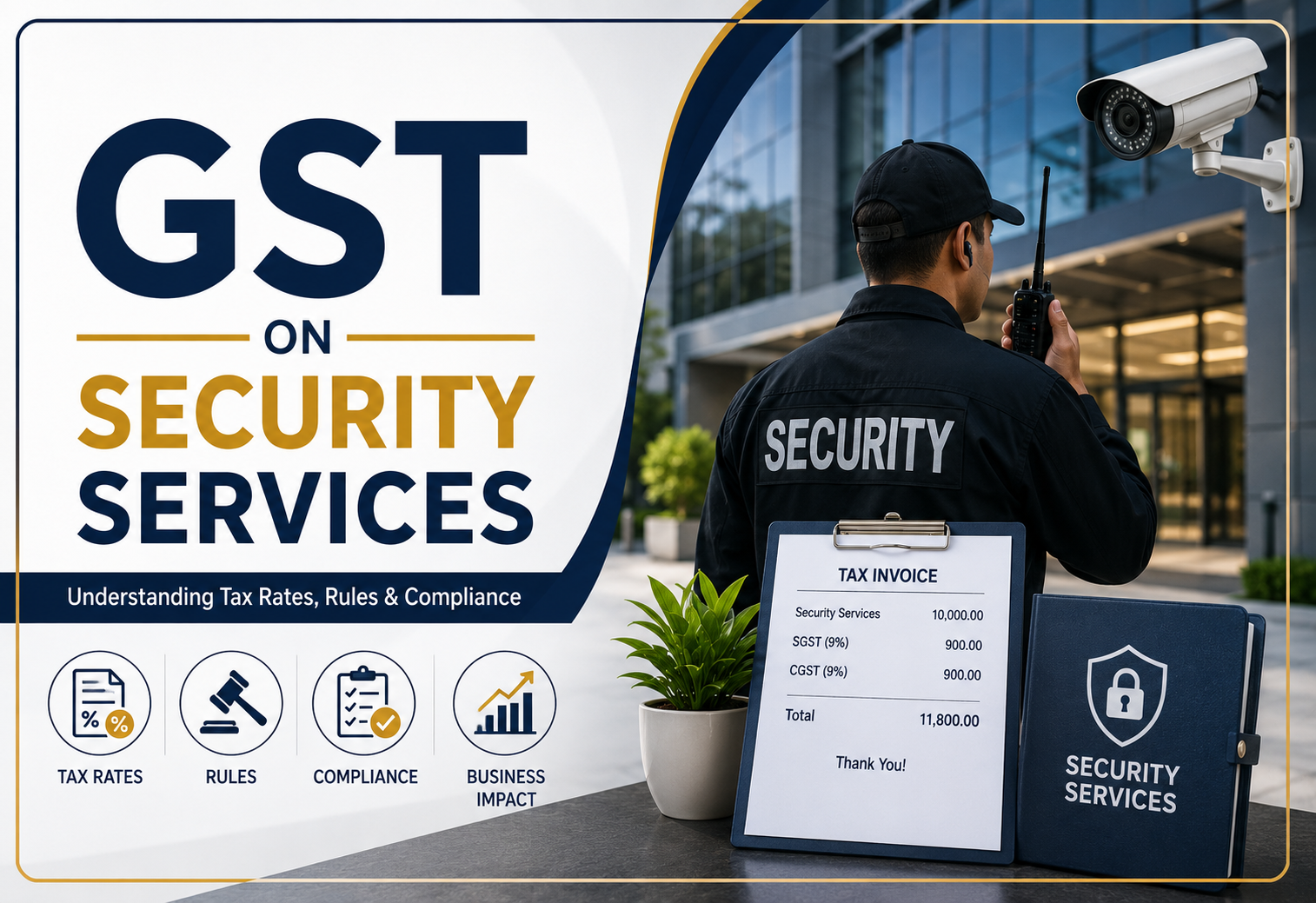

Effective financial management is essential for businesses that want to maintain healthy cash flow, control expenses, improve profitability, and achieve sustainable growth. As businesses become more complex, professional financial management services can help owners and management teams understand their financial position and make informed decisions.
The management of financial services involves organizing, monitoring, analyzing, and improving financial activities within a business. It can cover budgeting, cash-flow management, financial reporting, expense control, forecasting, accounting support, and strategic financial planning.
Whether you operate a startup, small business, professional services company, e-commerce business, or growing enterprise, effective financial management can provide the financial clarity needed to plan for the future.
What Is the Management of Financial Services?
The management of financial services refers to the process of planning, organizing, monitoring, and controlling financial activities to achieve business objectives.
It can involve managing:
- Business income and expenses
- Cash flow
- Budgets
- Financial statements
- Accounts receivable
- Accounts payable
- Working capital
- Business investments
- Financial risks
- Tax-related financial records
- Business profitability
- Financial forecasts
The goal is not simply to maintain financial records but to use financial information to support better business decisions.
What Are Financial Management Services?
Financial management services are professional services designed to help businesses manage and improve their financial operations.
Depending on the business and service provider, financial management services may include:
- Financial planning
- Budget preparation
- Cash-flow management
- Financial reporting
- Management accounting
- Expense management
- Profitability analysis
- Financial forecasting
- Accounts receivable management
- Accounts payable management
- Working capital management
- Accounting support
- GST and tax-related accounting support
These services can be provided internally or outsourced to professional accounting and financial service providers.
Why Is Financial Management Important for Businesses?
A business can generate strong sales and still experience financial difficulties if its expenses, receivables, cash flow, and working capital are not managed properly.
Effective financial management helps businesses understand where money is coming from, where it is being spent, and whether financial resources are being used efficiently.
Better Cash Flow Management
Cash flow is one of the most important financial indicators for a business.
Financial management helps businesses monitor:
- Cash received from customers
- Supplier payments
- Employee expenses
- Loan repayments
- Operating expenses
- Upcoming financial obligations
Better cash-flow visibility can help businesses plan payments and avoid unnecessary financial pressure.
Improved Expense Control
Regular financial analysis can identify unnecessary or increasing expenses.
Businesses can review:
- Operating costs
- Employee expenses
- Software subscriptions
- Marketing expenses
- Rent and utilities
- Supplier costs
- Administrative expenses
Controlling unnecessary expenses can improve overall profitability.
Better Business Planning
Financial information provides a foundation for business planning.
Businesses can use financial data to plan:
- Hiring
- New products
- Marketing budgets
- Expansion
- Equipment purchases
- Technology investments
- Business locations
Key Components of Financial Management Services
1. Financial Planning
Financial planning involves setting financial objectives and determining how business resources should be allocated.
A financial plan may consider:
- Expected revenue
- Operating expenses
- Capital requirements
- Cash-flow requirements
- Growth targets
- Investment needs
- Financial risks
A structured financial plan can help businesses prepare for both short-term and long-term requirements.
2. Budgeting
A business budget estimates expected income and expenses over a specific period.
Businesses can create budgets for:
- Monthly operations
- Marketing
- Payroll
- Technology
- Inventory
- Expansion
- Capital expenditure
Comparing actual results with the budget can help management identify financial differences and take corrective action.
3. Cash-Flow Management
Cash-flow management involves monitoring money entering and leaving the business.
A business may have profitable operations but still face cash shortages if customers pay late while suppliers and employees need to be paid on time.
Financial management services can help monitor:
- Customer receivables
- Supplier payments
- Operating expenses
- Cash balances
- Short-term obligations
- Expected cash inflows
4. Financial Reporting
Financial reports help management understand business performance.
Important financial reports include:
- Profit and Loss Statement
- Balance Sheet
- Cash Flow Statement
- Accounts Receivable Report
- Accounts Payable Report
- Expense Report
- Budget vs Actual Report
Regular financial reporting can turn accounting data into useful management information.
5. Profitability Analysis
Profitability analysis helps businesses determine which products, services, customers, or business activities generate the most profit.
Management can analyze:
- Gross profit
- Operating profit
- Net profit
- Product margins
- Service margins
- Customer profitability
- Operating expenses
This information can support better pricing and resource-allocation decisions.
6. Working Capital Management
Working capital management focuses on efficiently managing short-term business assets and liabilities.
It commonly involves monitoring:
- Cash
- Accounts receivable
- Inventory
- Accounts payable
- Short-term obligations
Efficient working capital management can help businesses maintain adequate liquidity while avoiding unnecessary capital being tied up in operations.
7. Financial Forecasting
Financial forecasting estimates future financial performance using historical information, business assumptions, market conditions, and expected changes.
Forecasts may cover:
- Revenue
- Expenses
- Cash flow
- Profitability
- Working capital
- Capital requirements
Forecasting can help businesses prepare for different financial scenarios.
Benefits of Professional Financial Management Services
1. Better Financial Visibility
Business owners receive a clearer view of revenue, expenses, cash flow, profitability, and financial obligations.
2. Improved Decision-Making
Management can make decisions using financial data rather than relying only on assumptions.
3. Better Cash-Flow Control
Monitoring receivables, payables, and cash requirements can help businesses manage liquidity more effectively.
4. Reduced Financial Risks
Regular financial analysis can help identify unusual expenses, cash-flow gaps, excessive liabilities, and other potential risks.
5. Improved Profitability
Understanding costs and margins can help businesses identify opportunities to improve profitability.
6. Time Savings
Outsourcing financial management activities can reduce the administrative workload for business owners and internal teams.
7. Better Business Growth Planning
Accurate financial information can help management determine whether the business is financially prepared for expansion.
Financial Management Services for Small Businesses
Small businesses often operate with limited financial resources and may not have a dedicated finance department.
Professional financial management services can help small businesses with:
- Bookkeeping
- Budgeting
- Cash-flow tracking
- Financial reporting
- Expense management
- Accounts receivable
- Accounts payable
- GST accounting support
- Financial forecasting
This can provide access to financial expertise without requiring a large internal finance team.
Financial Management Services for Startups
Startups need to carefully manage cash because they may have significant expenses before reaching stable revenue.
Financial management can help startups monitor:
- Startup costs
- Monthly operating expenses
- Revenue
- Cash runway
- Payroll
- Marketing expenditure
- Technology costs
- Funding requirements
A structured financial management process can help founders understand how long available funds may support planned operations under different assumptions.
Financial Management for E-Commerce Businesses
E-commerce businesses often have multiple revenue and expense channels.
Financial management may involve analyzing:
- Marketplace sales
- Payment gateway settlements
- Product costs
- Shipping expenses
- Returns and refunds
- Advertising costs
- Inventory
- Platform fees
Regular financial analysis can help e-commerce businesses understand actual margins and cash flow.
Financial Management for Service Businesses
Agencies, consultants, IT companies, training providers, and other service businesses may need to monitor project-level profitability and customer receivables.
Financial management services can help track:
- Client invoices
- Project revenue
- Employee costs
- Software expenses
- Contractor payments
- Project margins
- Outstanding receivables
This can help management understand which services and clients contribute most to business profitability.
Management of Financial Services vs Accounting
Financial management and accounting are closely related, but they have different purposes.
| Accounting | Financial Management |
|---|---|
| Records financial transactions | Uses financial information for decision-making |
| Maintains books | Plans and manages financial resources |
| Prepares financial statements | Analyzes financial performance |
| Tracks income and expenses | Forecasts future financial requirements |
| Focuses on financial records | Focuses on financial strategy and management |
| Supports compliance | Supports planning and business growth |
Accounting provides reliable financial data, while financial management uses that information to guide business decisions.
How Technology Supports Financial Management
Modern accounting and financial technology can simplify many financial management activities.
Businesses can use technology for:
- Automated transaction recording
- Invoice management
- Expense tracking
- Bank reconciliation
- Financial dashboards
- Cash-flow monitoring
- Budget tracking
- Financial reporting
However, technology does not replace the need for proper financial processes and professional review where required.
How to Choose a Financial Management Service Provider
When selecting a provider for financial management services, businesses should evaluate several factors.
Understand the Service Scope
Determine whether the provider offers bookkeeping, financial reporting, budgeting, forecasting, cash-flow management, accounting, or advisory services.
Consider Industry Experience
A provider familiar with your industry may better understand your revenue model, expenses, and financial challenges.
Review Technology
Check whether the provider works with the accounting and financial software used by your business.
Evaluate Reporting
Ask how frequently financial reports will be prepared and what information they will contain.
Consider Data Security
Financial information is sensitive. Businesses should understand how financial data is stored, accessed, backed up, and protected.
Assess Communication
Regular communication is important when financial management activities are handled externally.
Common Financial Management Mistakes Businesses Should Avoid
Focusing Only on Revenue
High revenue does not necessarily mean high profitability. Businesses should monitor margins and expenses as well.
Ignoring Cash Flow
Profitability and cash flow are different. Businesses should monitor both.
Not Tracking Receivables
Delayed customer payments can create working-capital problems.
Poor Budgeting
Without a realistic budget, businesses may overspend or fail to plan for upcoming expenses.
Making Decisions Without Financial Data
Business decisions involving hiring, expansion, pricing, and investment should consider their financial impact.
Delaying Financial Reporting
Outdated financial information can make it difficult for management to respond quickly to changing business conditions.
Frequently Asked Questions About Financial Management Services
What are financial management services?
Financial management services help businesses plan, monitor, analyze, and manage financial resources. They can include budgeting, cash-flow management, financial reporting, forecasting, expense management, profitability analysis, and accounting support.
What is the management of financial services?
The management of financial services involves organizing, controlling, and analyzing financial activities and resources to support business objectives, financial stability, profitability, and sustainable growth.
Why are financial management services important?
Financial management services help businesses understand their financial position, control expenses, manage cash flow, improve profitability, identify financial risks, and make informed decisions.
What is the difference between accounting and financial management?
Accounting primarily focuses on recording, classifying, reconciling, and reporting financial transactions, while financial management uses financial information for planning, forecasting, resource allocation, risk management, and decision-making.
Can small businesses outsource financial management?
Yes. Small businesses can outsource selected financial management functions such as bookkeeping, financial reporting, budgeting, cash-flow monitoring, and financial analysis depending on their requirements.
How much do financial management services cost?
Pricing depends on the business size, transaction volume, complexity, reporting requirements, services included, and whether the engagement is project-based or ongoing.
Can financial management services help improve cash flow?
Yes. Monitoring receivables, payables, expenses, cash balances, and expected inflows can help businesses identify potential cash-flow gaps and plan their financial resources more effectively.
Financial management services help businesses plan, monitor, and control their financial resources through activities such as budgeting, cash-flow management, financial reporting, forecasting, expense management, profitability analysis, and working capital management. Professional financial management can help businesses improve financial visibility, manage risks, control costs, and make better decisions.
Why Choose Akaran Solutions for Financial Management Services?
For businesses looking for professional financial management services, Akaran Solutions can provide structured accounting and financial support based on business requirements.
Our services can support businesses with:
- Accounting and bookkeeping
- Financial reporting
- Cash-flow monitoring
- Expense management
- Accounts receivable and payable
- GST accounting support
- Budgeting support
- Financial analysis
- Management reporting
- Business financial support
The objective is to help businesses maintain organized financial information and use it more effectively for planning and growth.
Conclusion
Effective management of financial services is an important part of building a financially healthy business. From budgeting and cash-flow management to financial reporting and profitability analysis, every financial activity can influence the company’s ability to operate and grow.
Professional financial management services can provide businesses with better financial visibility, improved control over expenses, stronger cash-flow planning, and useful information for strategic decisions.
Whether you are a startup, small business, e-commerce company, agency, professional service provider, or growing enterprise, establishing a structured financial management process can help create a stronger foundation for sustainable growth.
Akaran Solutions can help businesses organize their accounting and financial processes so management can focus on running and growing the business.
