
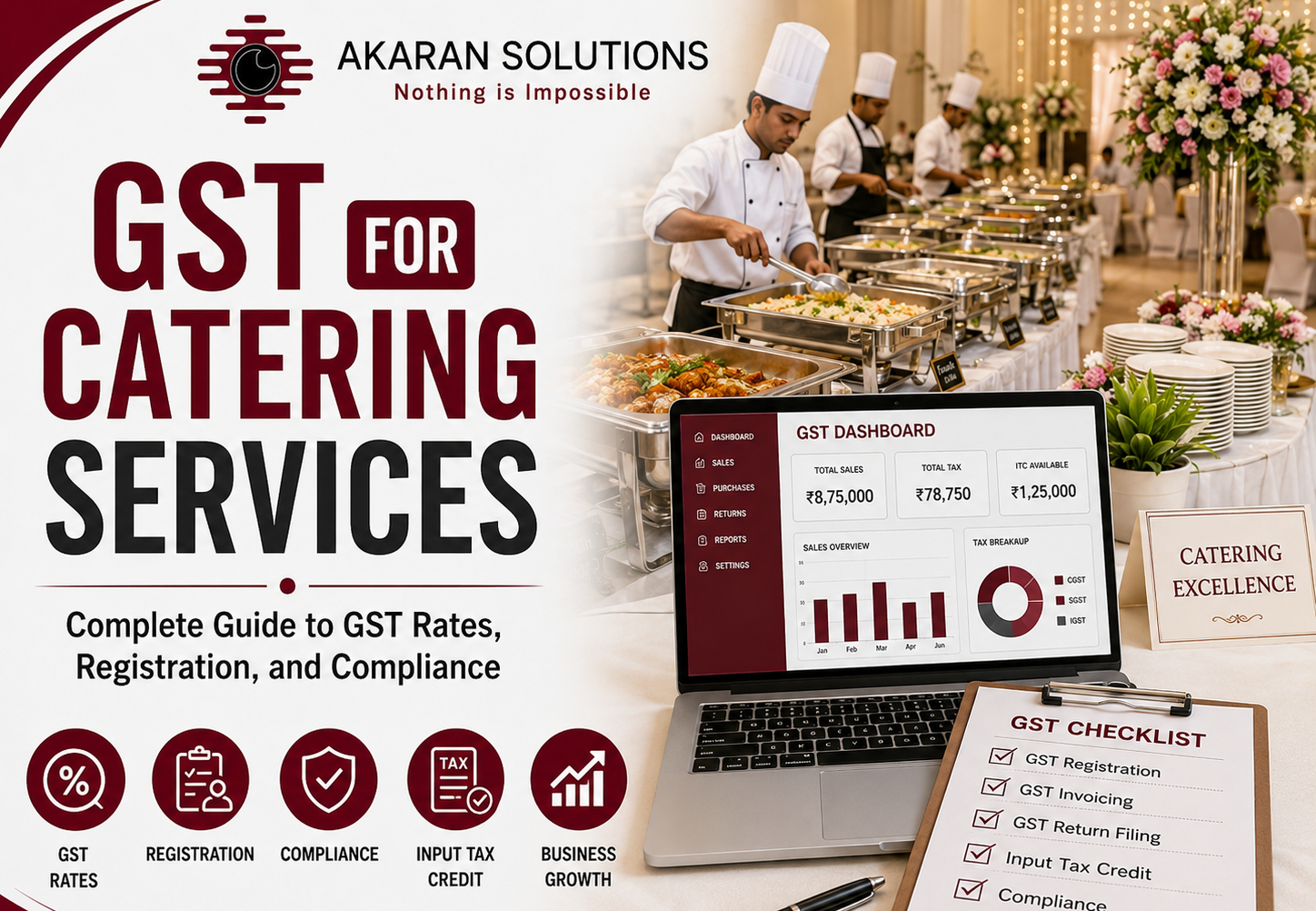
GST for catering services is an important consideration for caterers, event catering businesses, restaurants offering catering, wedding caterers, and food service providers in India. Understanding the applicable GST rate, registration requirements, invoicing rules, input tax credit, and compliance obligations can help catering businesses avoid penalties and manage their finances efficiently.
Whether you operate a small catering business or provide large-scale corporate and wedding catering services, having a clear understanding of GST can make tax compliance much easier.
In this guide, we explain GST for catering services in India, including GST rates, registration, invoicing, input tax credit, and important compliance requirements.
What Is GST for Catering Services?
Goods and Services Tax (GST) is an indirect tax applicable to the supply of goods and services in India. Catering services are generally treated as a supply of services under GST and may be subject to GST depending on the nature of the service and applicable tax classification.
Catering businesses may provide services such as:
- Wedding and marriage catering
- Corporate event catering
- Outdoor catering
- Party catering
- Institutional catering
- Industrial catering
- School and college catering
- Food services at events and functions
- Contract catering
- Bulk food supply with catering services
The GST treatment can vary depending on the type of catering service, location, and specific conditions applicable to the supply.
GST Rate for Catering Services
One of the most important questions for catering businesses is: What is the GST rate for catering services?
The applicable GST rate depends on the nature of the catering service and the conditions under which it is provided.
For example, certain catering and food service supplies may fall under different GST classifications and rates depending on whether the service is provided in a restaurant, at an outdoor event, in an institutional setting, or as part of another taxable supply.
Therefore, caterers should not apply a GST rate based solely on the word “catering.” The exact nature of the service should be reviewed before issuing an invoice.
Factors That Can Affect GST Treatment
The GST treatment may depend on:
- Type of catering service
- Place where the service is provided
- Whether the service is provided independently or with another supply
- Whether the business operates from a specified premises
- Customer type
- Applicable GST notifications and amendments
- Whether the business is registered under GST
Because GST rules can change, catering businesses should verify the current applicable rate before preparing invoices or filing returns.
Is GST Registration Mandatory for Catering Businesses?
GST registration may be mandatory when a catering business crosses the applicable aggregate turnover threshold prescribed under GST law.
However, registration requirements can also depend on other factors and specific provisions of the GST Act.
A catering business should consider:
- Annual aggregate turnover
- State in which the business operates
- Nature of taxable supplies
- Inter-State supplies
- Special registration provisions
- Whether any exemption applies
Small catering businesses should therefore evaluate their GST registration requirement rather than assuming that registration is automatically unnecessary because they operate on a small scale.
GST Registration for Catering Services
If GST registration is applicable to your catering business, the registration process generally involves submitting business and proprietor/partner/director details through the GST portal.
Common information and documents may include:
- PAN
- Aadhaar or applicable identity proof
- Business address proof
- Bank account details
- Mobile number and email address
- Photograph
- Business constitution documents
- Rental agreement or ownership proof, where applicable
- Other documents requested during registration
Once the registration process is completed and approved, the business receives a GSTIN (Goods and Services Tax Identification Number).
The GSTIN should be mentioned on applicable tax invoices and other required documents.
GST Invoice for Catering Services
A proper GST invoice is an important part of catering business compliance.
A catering invoice should generally contain relevant details such as:
- Supplier’s legal name
- GSTIN of the supplier
- Invoice number
- Invoice date
- Customer details
- Customer GSTIN, where applicable
- Description of catering services
- Service value
- Applicable GST rate
- CGST and SGST or IGST, as applicable
- Total invoice value
- Place of supply, where applicable
- Other mandatory particulars
Maintaining accurate invoices helps businesses track sales, calculate GST liability, and maintain proper accounting records.
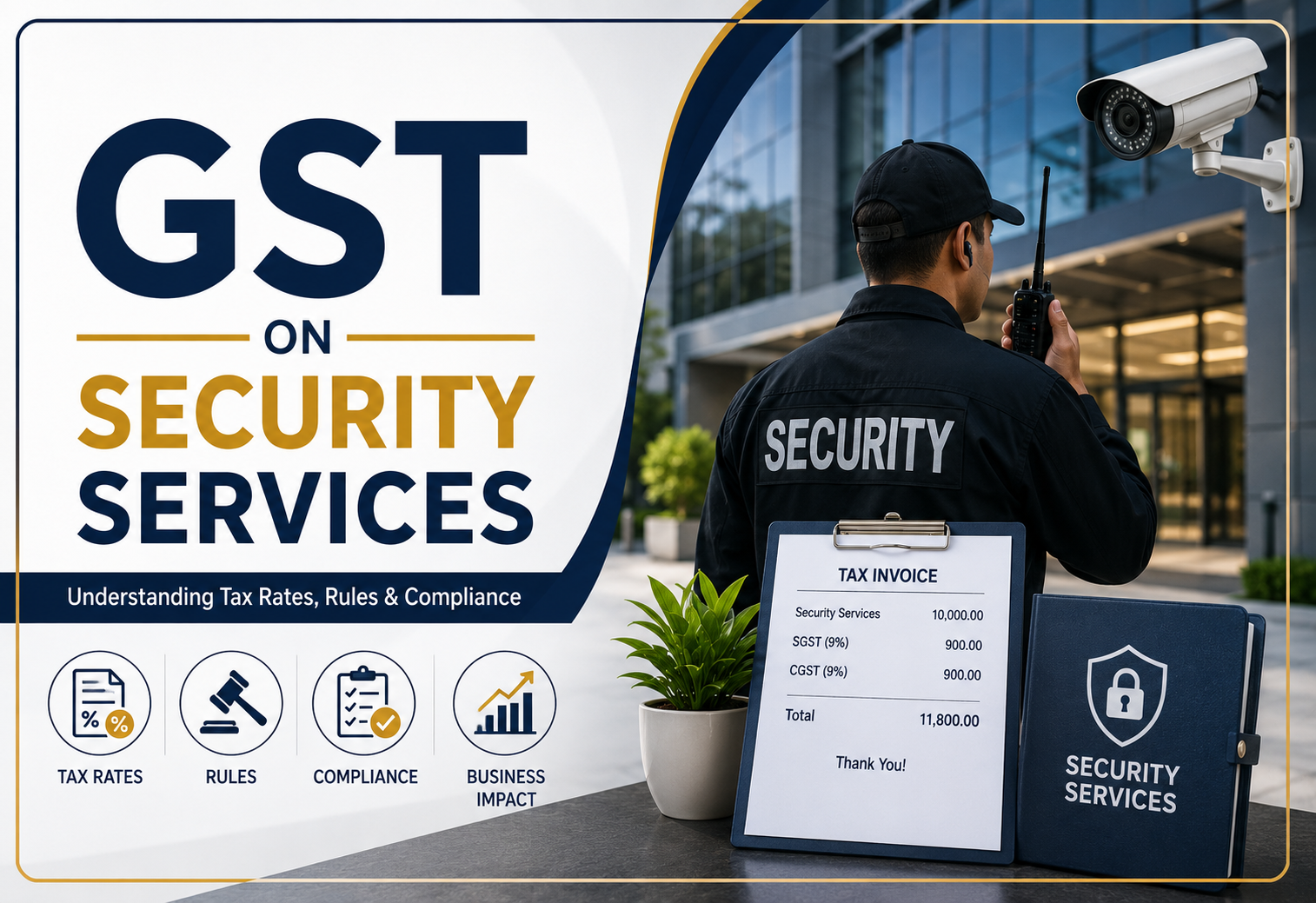
CGST, SGST, and IGST for Catering Services
The type of GST charged can depend on whether the supply is intra-State or inter-State.
CGST + SGST
When a taxable supply is treated as an intra-State supply, the applicable GST is generally divided between:
- Central Goods and Services Tax (CGST)
- State Goods and Services Tax (SGST)
IGST
For an inter-State supply, Integrated Goods and Services Tax (IGST) may apply.
For catering businesses handling events in different locations or serving customers across State boundaries, determining the correct place of supply is particularly important.
Input Tax Credit for Catering Businesses
Input Tax Credit (ITC) allows eligible registered businesses to claim credit for GST paid on eligible business purchases, subject to the conditions and restrictions under GST law.
Depending on the nature of the business and applicable GST provisions, catering businesses may have GST-related expenses involving:
- Raw materials
- Kitchen equipment
- Packaging materials
- Cleaning supplies
- Business-related services
- Equipment maintenance
- Professional services
- Other eligible business purchases
However, not every business expense automatically qualifies for ITC. Certain restrictions apply under GST law.
Caterers should maintain proper purchase invoices and verify ITC eligibility before claiming credits.
GST Returns for Catering Businesses
GST-registered catering businesses must comply with applicable GST return filing requirements.
Depending on the taxpayer’s registration, turnover, and applicable scheme, the business may need to report:
- Outward supplies
- Taxable turnover
- GST collected
- Eligible input tax credit
- Tax liability
- Other required GST information
Timely and accurate filing helps prevent interest, late fees, notices, and other compliance problems.
GST and Advance Payments for Catering Services
Catering businesses frequently receive advance payments for weddings, parties, conferences, and corporate events.
GST treatment of advances can depend on the taxpayer’s circumstances and the applicable provisions for the supply.
Because advance payments can create accounting and GST compliance complications, caterers should maintain proper records of:
- Customer booking
- Advance amount received
- Invoice details
- Event date
- Balance payment
- GST collected
- Cancellation or refund, if applicable
Proper documentation makes reconciliation much easier.
GST on Wedding and Event Catering
Wedding catering is one of the most common areas where businesses need clarity about GST.
A wedding caterer may provide several components, including:
- Food preparation
- Serving staff
- Buffet setup
- Tables and serving equipment
- Event-specific catering arrangements
- Transportation
- Additional services
The GST treatment should be determined based on the actual supply and applicable GST provisions rather than simply treating every charge as food sales.
For larger events, businesses should clearly define the services included in the quotation and invoice.
GST for Corporate Catering Services
Corporate catering may include:
- Office lunches
- Business meetings
- Conferences
- Employee meals
- Corporate events
- Training programs
- Annual functions
Businesses providing corporate catering should maintain proper contracts, purchase orders, invoices, and payment records.
If the corporate customer provides a valid GSTIN, the caterer should ensure that the customer’s GST details are correctly recorded in the invoice where required.
Common GST Mistakes Made by Catering Businesses
Many catering businesses face compliance issues because of simple accounting and invoicing mistakes.
Some common mistakes include:
1. Applying the Wrong GST Rate
GST rates can depend on the exact nature of the supply. Using an incorrect rate can result in tax shortfalls or excess tax collection.
2. Incorrect GST Invoices
Missing GSTINs, invoice numbers, tax details, or other mandatory information can create compliance problems.
3. Poor Record Keeping
Catering businesses handle numerous purchases and customer payments. Poor bookkeeping can make GST reconciliation difficult.
4. Incorrect ITC Claims
Claiming input tax credit without checking eligibility can lead to tax disputes and additional liabilities.
5. Delayed GST Returns
Late filing can result in applicable late fees and interest.
6. Not Reconciling Sales and GST Returns
The sales recorded in accounting software should be reconciled with GST returns and other financial records.
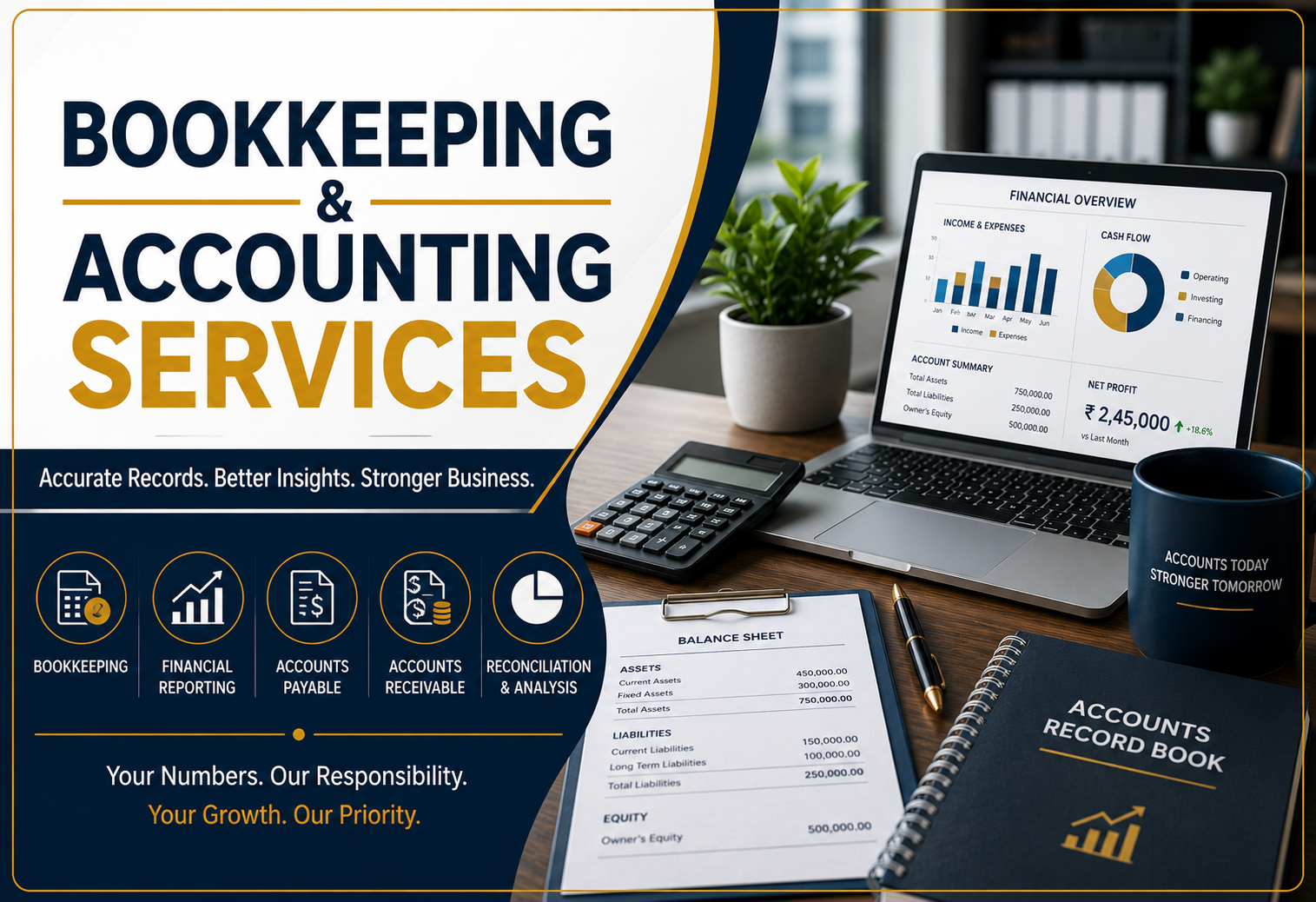
How Accounting and Bookkeeping Help Catering Businesses
Managing GST becomes easier when your catering business maintains accurate books of accounts.
Professional accounting and bookkeeping services can help with:
- Sales recording
- Purchase recording
- GST reconciliation
- Invoice management
- Expense tracking
- Bank reconciliation
- Accounts payable
- Accounts receivable
- Financial reporting
- GST return preparation support
A structured bookkeeping system can also help business owners understand profitability and cash flow.
Why Choose Akaran Solutions for GST and Accounting Services?
Managing GST and accounting while running a catering business can be time-consuming. Akaran Solutions can help businesses streamline their accounting and bookkeeping requirements.
Our services can support businesses with:
- GST accounting support
- Bookkeeping services
- GST reconciliation
- Accounts payable and receivable
- Invoice management
- Financial reporting
- Payroll support
- Business accounting services
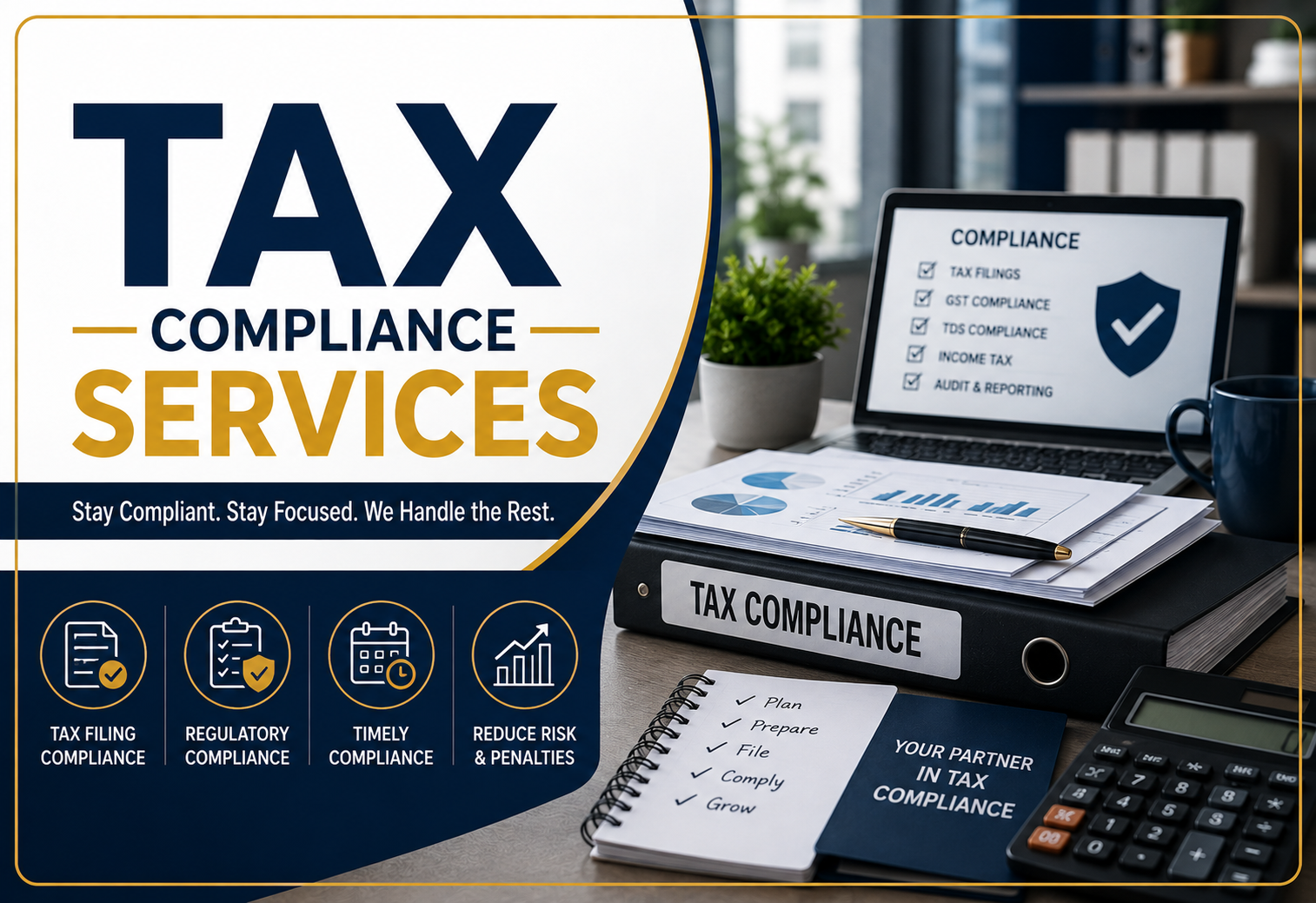
- Tax compliance support
With organized accounting records, business owners can spend more time focusing on customers, events, and business growth.
Frequently Asked Questions About GST for Catering Services
What is GST for catering services?
GST for catering services is the Goods and Services Tax applicable to taxable catering and food service supplies. The applicable rate and conditions depend on the specific nature of the service.
Is GST registration mandatory for caterers?
GST registration may be mandatory when the business crosses the applicable turnover threshold or falls under provisions requiring registration. Businesses should evaluate their specific circumstances.
Can a small catering business avoid GST registration?
A small catering business may not need GST registration if it remains within the applicable threshold and does not fall under compulsory registration provisions. The exact requirement depends on the business’s circumstances.
Can catering businesses claim Input Tax Credit?
Eligible registered catering businesses may claim ITC on qualifying business purchases, subject to the conditions and restrictions prescribed under GST law.
Do catering businesses need to issue GST invoices?
A GST-registered catering business generally needs to issue appropriate tax invoices for taxable supplies and include the required GST particulars.
Does GST apply to wedding catering?
GST may apply to taxable wedding catering services. The applicable treatment depends on the nature and classification of the catering supply and the prevailing GST rules.
How can caterers manage GST compliance?
Caterers can simplify GST compliance by maintaining accurate books, issuing proper invoices, reconciling sales and purchases, tracking GST payments, and filing applicable returns on time.
Final Thoughts
Understanding GST for catering services is essential for maintaining accurate accounts and avoiding unnecessary compliance issues. From GST registration and invoicing to Input Tax Credit and return filing, every part of the process requires proper records and attention to applicable GST rules.
If you operate a catering business and need help managing your GST, accounting, bookkeeping, or financial records, professional support can help you stay organized and focus on growing your business.
Akaran Solutions provides accounting and bookkeeping support designed to help businesses manage their financial processes efficiently.
Need professional accounting and GST support for your business? Contact Akaran Solutions today.
